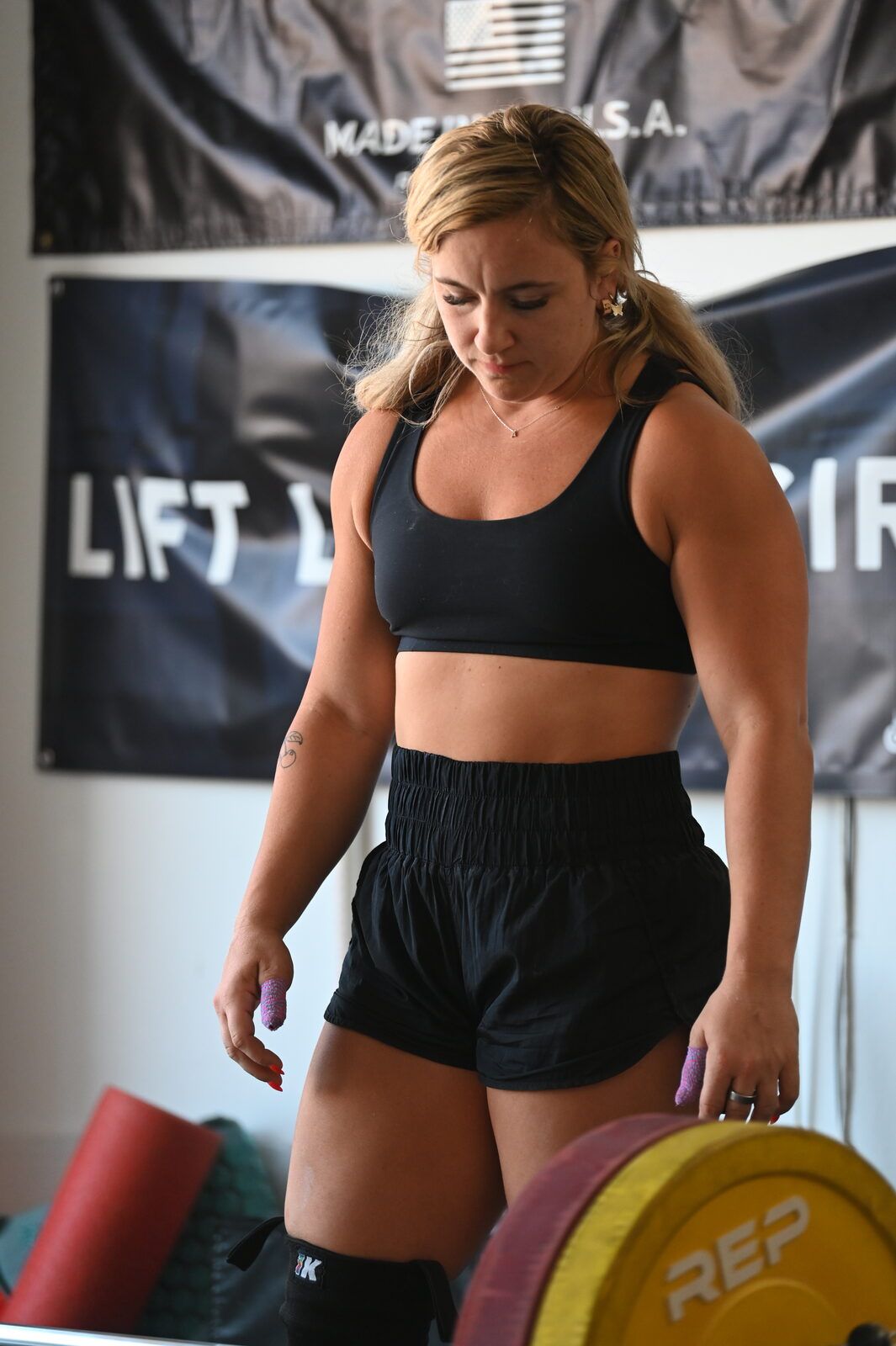
A big share of the people who train with Built Thru It do not work 9 to 5. They deal cards, run restaurant floors, pour drinks on the Strip, work 12-hour hospital shifts in Henderson, or clock in at 10 p.m. and drive home at sunrise. Most generic training plans assume you lift after work, eat dinner at 7, and sleep eight hours in the dark. If that is not your life, the plan fails in week two and you decide you are the problem. You are not. The schedule is the problem, and a schedule can be programmed around. This guide covers how Alexa May builds strength training for shift workers across Las Vegas and Henderson, why the fall and holiday stretch is the hardest part of the year to stay consistent, and a 3-day template you can start this week.
Can you build real strength while working swing or graveyard shifts?
Yes. Shift workers get strong on the same lifts as everyone else; the difference is how the week is arranged. Your body does not know whether your main sleep block runs midnight to 8 a.m. or 9 a.m. to 5 p.m. It responds to consistent training, enough protein, and a sleep block that is long enough, whenever that block happens to land. The lifters who struggle are usually trying to force a Monday-to-Friday morning routine onto a rotating schedule, then missing half their sessions and restarting every few weeks.
At Built Thru It, every 1:1 training program starts with a movement assessment, your equipment access, and the schedule you can actually keep. For a swing-shift dealer, that might mean lifting at 1 p.m. before a 4 p.m. start. For a graveyard nurse, it might mean two gym sessions on days off and one short session at home after waking up. The program adapts to the calendar instead of the other way around.
How should you schedule training around a rotating shift?
Anchor training to your wake-up time, not the clock on the wall. Treat the first three to four hours after your main sleep as your morning, no matter what time it is, and put your lifting session in that window whenever possible. Energy and focus are highest there, and the session gets done before work has a chance to eat it.
A few rules that hold up across most Las Vegas shift patterns:
- Count training days by your days off and your light days, not by Monday through Sunday. Three sessions in any seven days is the goal.
- Put the heaviest session on your first day off, when you have had the most sleep.
- Keep one session short enough (35 to 45 minutes) that it fits between waking and a shift without stress.
- If your schedule rotates weekly, plan each week on the day you get your new schedule, and write the three sessions into your calendar like shifts.
- Never train on the back side of a double or a shift that ran long. Move the session; do not skip it.
With online coaching, this planning happens in the weekly check-in. You send your schedule, Alexa rearranges the week, and you get the sessions in the app with the days already set.
What does a 3-day strength plan look like for a shift worker?
A 3-day full-body template is the most forgiving structure for an unpredictable week because every session covers the main movement patterns, so a missed day never leaves a body part untrained. Here is the kind of starting template Alexa uses, before it is individualized:
- Day A (first day off, heaviest): back squat or goblet squat, 4 sets of 5. Dumbbell bench press, 3 sets of 8. Romanian deadlift, 3 sets of 8. Farmer carry, 3 rounds of 40 yards.
- Day B (short, pre-shift): trap bar or conventional deadlift, 3 sets of 5. Single-arm dumbbell row, 3 sets of 10 per side. Push-ups or dumbbell overhead press, 3 sets of 10. Done in 40 minutes.
- Day C (second day off or a light day): front squat or step-ups, 3 sets of 8. Pull-ups or lat pulldown, 3 sets of 8. Dumbbell incline press, 3 sets of 10. Plank or suitcase carry, 3 rounds.
Each session uses one main lift, one or two secondary lifts, and one carry or core movement. Loads go up a little each week when all the reps are clean, and the week resets when sleep falls apart. If you only have dumbbells and a bench in a Henderson garage, every movement above has a dumbbell version, and the program is written for whatever you own.
How does sleep affect strength training when you work nights?
Sleep is where strength is actually built, and it is the first thing a shift schedule takes away. A hard training session on four hours of broken daytime sleep does more harm than good: lifts feel heavier, technique gets sloppy, and recovery stretches into the next shift. The practical rule Alexa uses with night workers is simple. Aim for one main sleep block of at least six hours, protect it with a dark room and a consistent wind-down, and treat the session after a short sleep as a light day instead of pushing it.
Las Vegas makes daytime sleep harder than most cities. In October the sun is still strong at noon, so blackout curtains matter more here than they would in Seattle. Temperatures finally drop this month, which helps: a cool bedroom in the 60s does more for daytime sleep than any supplement. If you drive home from a graveyard shift in sunlight, sunglasses on the drive and no phone screen in bed are the two cheapest fixes.
What should shift workers eat around training and long shifts?
Eat protein at every break and treat the meal before your lift as the most important one of the day. Casino and restaurant shifts are notorious for a 20-minute break with nothing but employee dining room options, so the fix is planning rather than willpower. Most 1:1 clients land on a pattern like this: a protein-heavy meal within two hours of waking, a smaller meal or shake before the session, a packed meal for the long break, and a simple dinner after the shift that does not require cooking at 3 a.m.
Alexa is a Precision Nutrition Level 1 certified coach, and nutrition support is built into the full coaching track for exactly this reason. Most shift workers need meals that survive a 10-hour shift in a locker, and a plan for the nights when the only food around is the break room, more than they need a stricter diet. For a deeper look at fall eating, the earlier post on fall nutrition for Las Vegas lifters covers protein targets through the holidays.
Why is October through December the hardest stretch for Las Vegas shift workers?
Because the city gets busier at the same time the days get shorter. Fall in Las Vegas means Halloween weekend on the Strip, a packed convention and event calendar, and holiday staffing that stretches hospitality and healthcare schedules thin. Picked-up shifts, mandatory overtime, and swapped days off hit right when most people are also traveling, hosting family, or just tired.
This is the window where a rigid plan dies and a flexible one survives. The goal from now through New Year is three sessions a week, most weeks, with the main lifts kept in the program, so you walk into January stronger than you walked into October. Personal records can wait for a calmer month. Lifters who hold that line through Q4 do not need a January restart, which is the whole point.
A practical move for this month: look at your October and November schedule now, identify the two or three worst weeks, and plan them as two-session weeks on purpose. A planned light week keeps the habit alive. An unplanned missed week turns into a missed month.
When does hiring a coach make sense for a shift worker?
Hire a coach when the obstacle is the planning, not the effort. Most shift workers who reach out to Built Thru It are not lazy. They have tried apps and generic programs and watched them break every time the schedule rotated. A coach who rewrites the week around your actual shifts removes the part that keeps failing.
Built Thru It offers two paths. The 1:1 Training Only Program is custom programming built around your equipment, schedule, and goals, with weekly check-ins and form coaching, delivered in person across Las Vegas and Henderson or fully online with video review. If you would rather run things yourself, a 1-Time Strategy Plan is a single call with Alexa plus a written plan built for your shift pattern, with no monthly commitment.
Alexa May holds a B.S. in Exercise Science from the University of Louisville, USA Weightlifting Level 1 and 2 and CrossFit L1 and L2 certifications, and has coached more than 300 athletes since 2015, including plenty who train between shifts rather than after a desk job. If you work nights, swings, or rotating days anywhere in the Las Vegas Valley and want a program that fits them, read about strength and performance training or book a free consult and bring your schedule.